When it comes to elevating the aesthetic appeal of any space, few materials offer the versatility, vibrancy, and timeless charm of the celebrated mosaic tiles. Today, they are becoming the material of choice, from grand bathhouses to modern luxury swimming pools and bespoke kitchen backsplashes; mosaic tiles have remained a staple in architectural design. But what exactly makes them so enduringly popular, and how do you choose the right type for your project?
At Keratiles Ceramic, we specialize in crafting premium tiling solutions that combine beauty with engineering excellence. Today, we will explore everything you need to know about mosaic tiles, including their characteristics, materials, the specific advantages they offer, and a quick peek into the installation methods that ensure a flawless, long-lasting finish.
What is a Mosaic Tile?
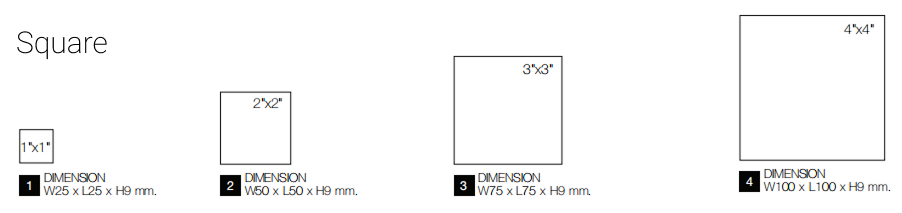
A mosaic tile is not necessarily a specific material, but rather a unique format of tiling. It refers to small pieces of tile—often measuring from 1×1 inch, 2×2 inches, or 0.5×0.5 inches to 4×4 inches—that are arranged together to create a larger pattern, texture, or image. Because dealing with hundreds of individual tiny tiles during installation would be incredibly tedious and inconsistent, these small pieces are often pre-mounted onto a backing material to form a larger, manageable sheet of tile (usually measuring around 12×12 inches).
This unique format allows for incredible design flexibility. You can use them as subtle border accents, striking feature walls, or full-surface coverings in challenging wet areas like showers and pools.
Types of Mosaic Tile Materials
Mosaic tiles can be crafted from a wide variety of materials, each bringing its own unique texture and functional benefits. The common materials for creating mosaic tiles include:
- Porcelain
Porcelain tiles in mosaic sizes are the pinnacle of durability and performance. They have an exceptionally low water absorption rate and are extremely dense. This makes them highly resistant to frost, stains, and chemical corrosion, rendering them the perfect choice for demanding indoor and outdoor applications, including high-traffic floors and pool environments.
- Ceramic
Ceramic mosaics are versatile and celebrated for their vibrant colors and beautiful glazes. Because they are slightly softer and more porous than porcelain before being glazed, they are exceptionally easy to cut and install. They are ideal for creating striking wall features, custom backsplashes, and elegant indoor aesthetics.
- Glass
Known for its luminous and reflective qualities, glass mosaics are unique decoration tiles that add depth and a modern shimmer to spaces.
- Natural Stone
Materials like marble, travertine, and slate offer an earthy, rustic look, though they require regular sealing due to their porous nature.
What Are the Advantages of Mosaic Tiles?
When architects and homeowners ask, “What are the advantages of mosaic tiles?”, the answers highlight their unparalleled versatility. Here are the four primary benefits that make mosaics a superior choice for creative design:
1. Creating Breathtaking Images and Murals
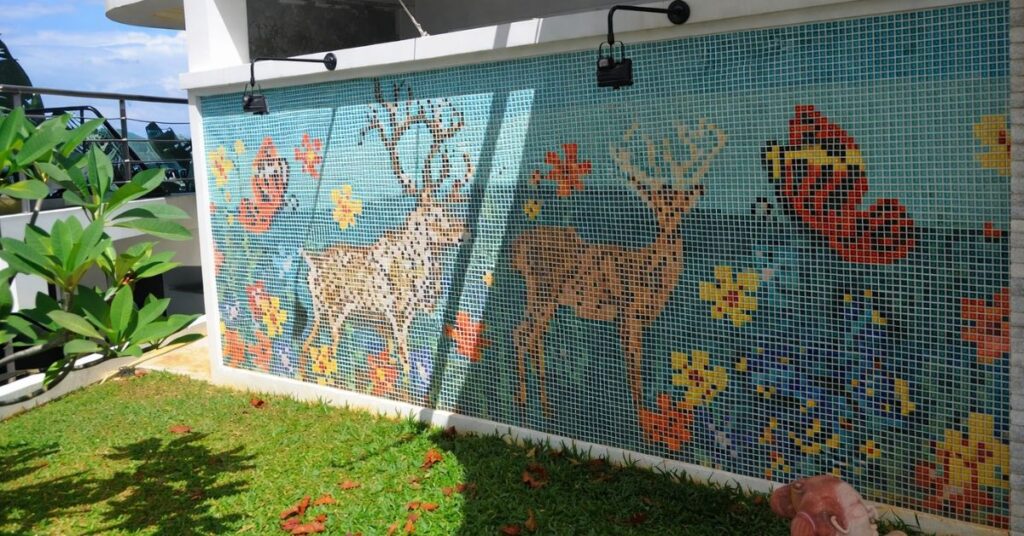
Because mosaics consist of tiny, pixel-like pieces, designers can literally “paint” a picture with these tiles. From intricate floral designs and geometric mandalas to custom logos at the bottom of a swimming pool, mosaics allow you to create customized images that standard tiles simply cannot achieve.
2. Endless Mix and Match Color Possibilities
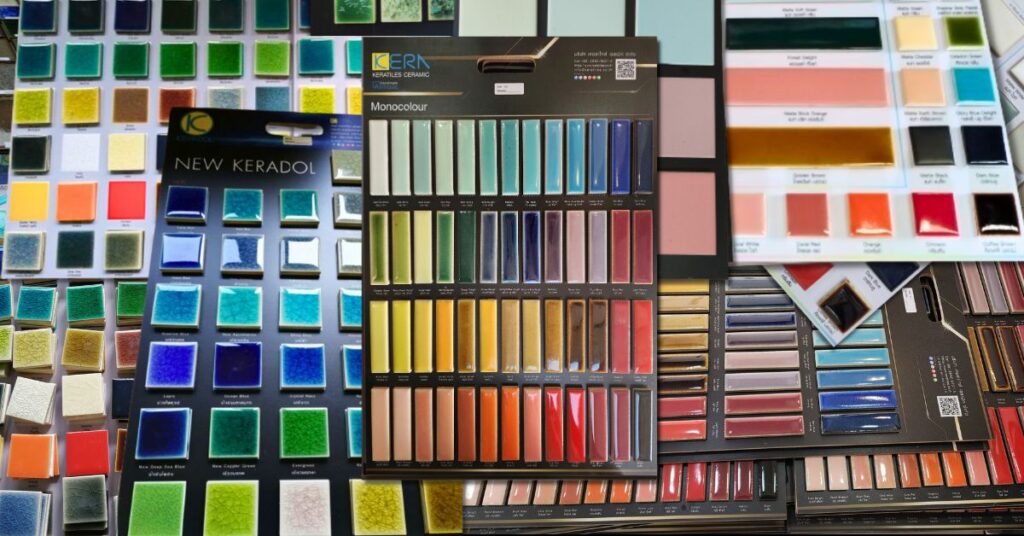
Mosaics offer the freedom to mix and match colors. You can blend varying shades of blue to mimic the ocean, combine contrasting black and white for an Art Deco vibe, or incorporate metallic accents to add a touch of luxury. This ability to mix colors within a single sheet provides depth and texture that enlivens any room.
3. Modular Designs with Diverse Shapes and Sizes
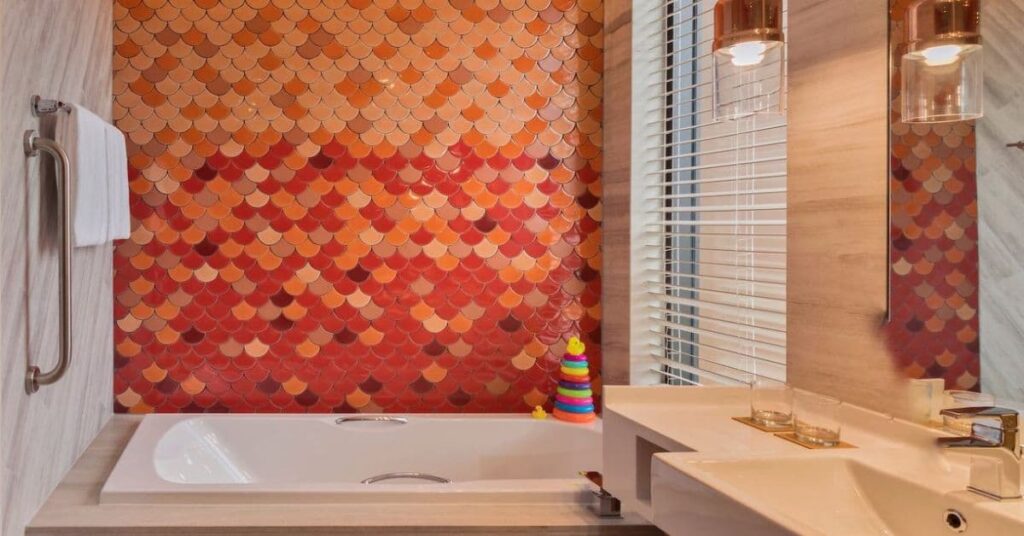
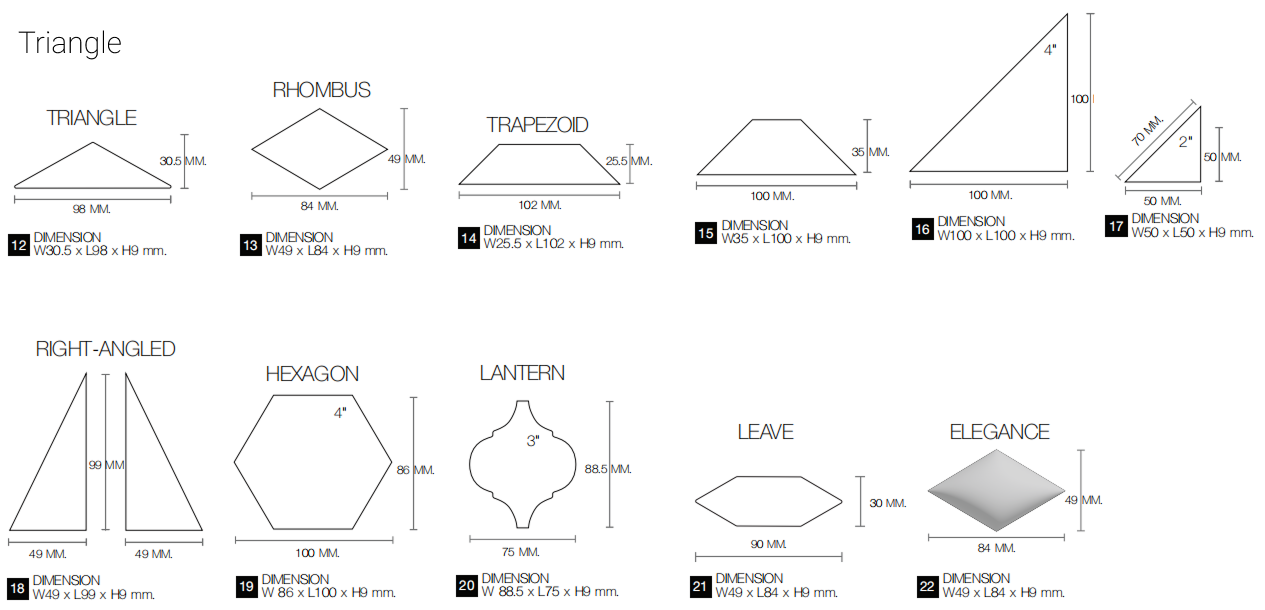
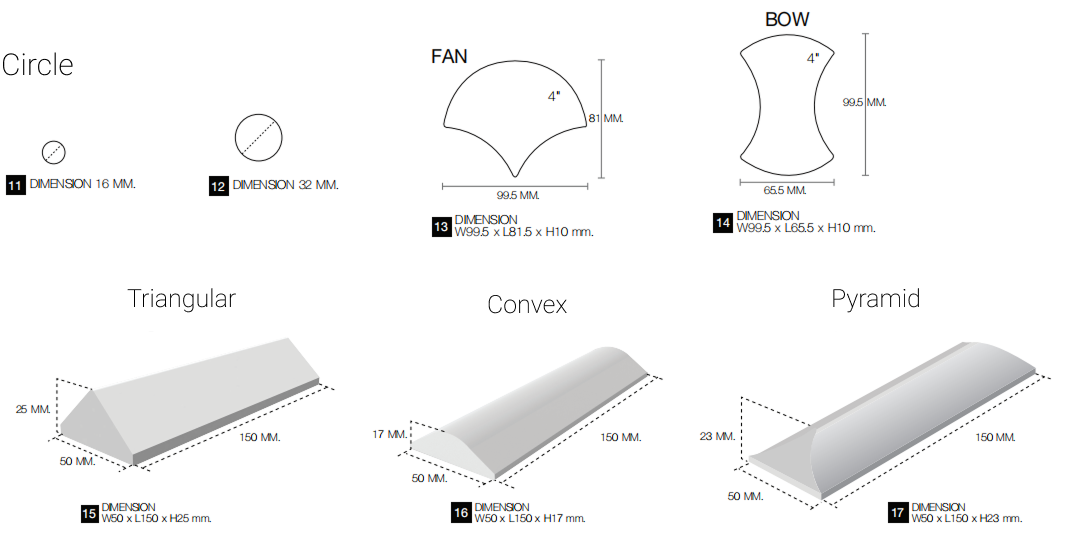
Mosaics are highly modular and are not limited to simple squares. They are available in a vast array of shapes, including hexagons, penny rounds, herringbone, arabesque, and custom geometric cuts. This diversity allows designers to introduce unique structural patterns into spaces, making the tiles themselves the focal point of the space.
4. Conforming Seamlessly to Curves
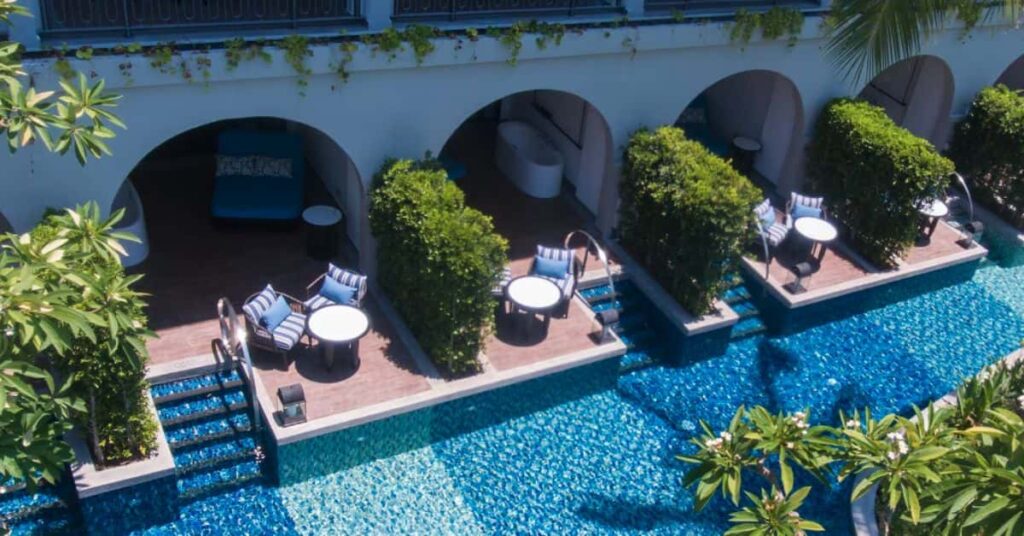
One of the most practical advantages of mosaics is their flexibility. Unlike rigid, large-format tiles, the small individual pieces on a flexible sheet allow the tile to bend and wrap seamlessly around curved surfaces. This makes them the go-to choice for lining curved pool steps, rounded columns, and custom ergonomic spa seating.
Installation Pain Points: Solving the Peel-Off Issue
One of the biggest concerns during mosaic installation is the tiles popping off the grout before or after installation. This issue is prevalent when choosing glass mosaic tiles for swimming pool applications. Due to having 0% water absorption rate, tile adhesive has no grip on glass tiles, which causes them to fall off over time.
To solve this pain point, manufacturers use different mounting systems. Understanding the difference is crucial, especially for submerged areas.
1. Mesh-Backed Mosaic Sheets
This is the most common format found in stores. The small tiles are glued at their backs to a web-like mesh. The installer applies thin-set mortar to the wall or floor and presses the mesh side down into it.
- The Pro: It is very fast to install and easy to cut with a utility knife.
- The Pain Point: If the installer does not firmly press or “tap” each mosaic piece into the adhesive, the tiles won’t achieve full contact. Second, the glue holding the tiles to the mesh can sometimes block the cementitious adhesive from fully gripping the back of the tile. Over time, as the thin-set mortar ages or degrades, this lack of a strong initial bond may cause the tiles to pop loose.
2. Paper-Faced Mosaic Tiles Installation
To reduce the risks associated with mosaic peeling or popping off, paper-faced mosaic tile installation is the professional standard, particularly for use as swimming pool tiles. In this method, a sheet of kraft paper is glued to the front (the glazed face) of the tiles.
- How it Works: The installer applies the thin-set mortar and presses the bare backs of the tiles directly into it. Because there is no mesh or glue on the back, the cement makes a 100% bond with the tile. Once the tile adhesive cures, the paper on the front is wetted with a sponge and gently peeled away, revealing the pristine tiles ready for grouting.
- The Solution: This method guarantees maximum adhesion and solves the pain point of mounting mesh degrading underwater.
By choosing the right material and installation method, you eliminate the structural worries of your project, freeing you to focus entirely on the aesthetic design. This brings us to the most exciting part of working with mosaics: the limitless creative possibilities.
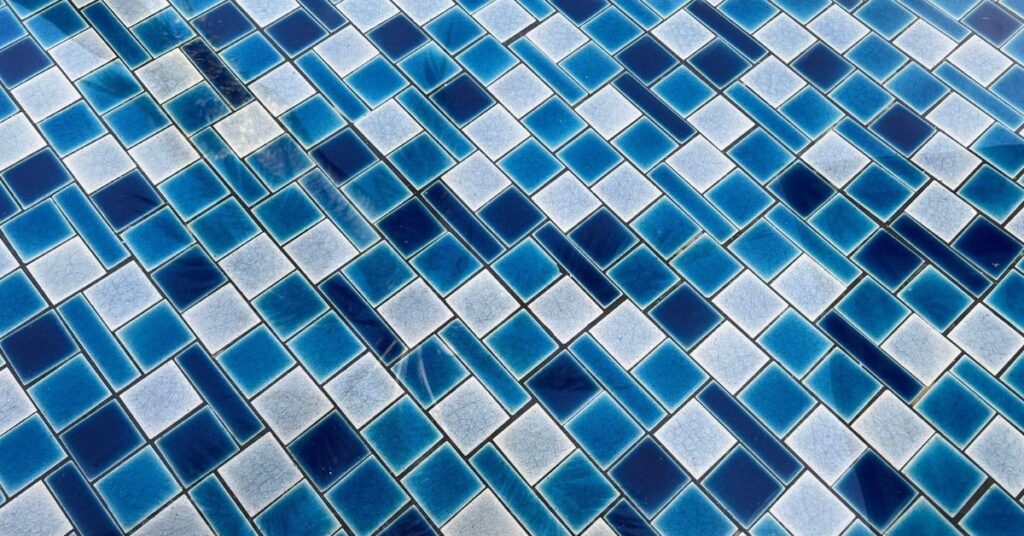
Mix & Match Ideas with Mosaic Tiles
Ready to get creative? Here are some inspiring ways to use our decoration tiles to elevate your renovation project or new landscaping design:
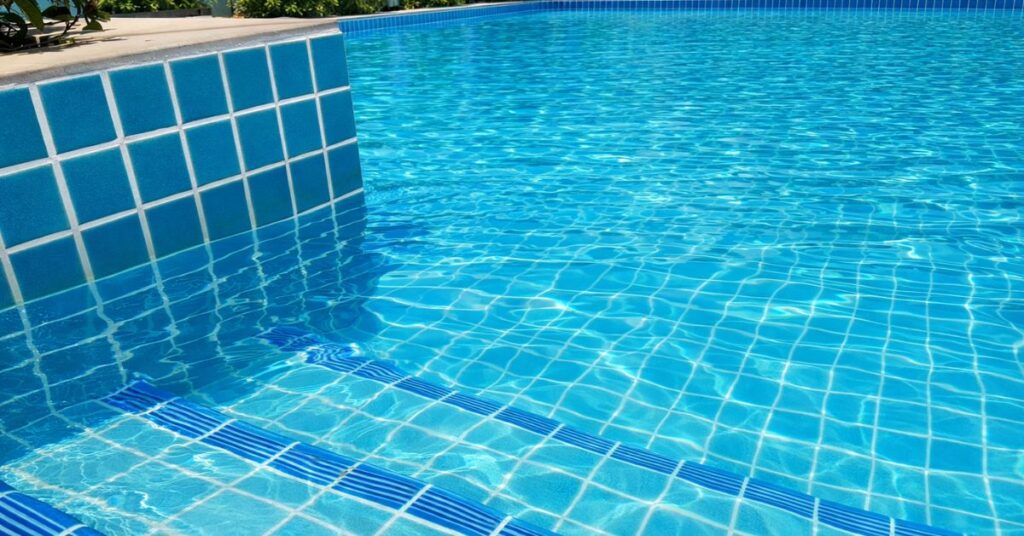
- The Ombré Pool: Use mosaic sheets that transition smoothly from a deep, navy blue at the deep end to a light, sparkling aqua at the shallow steps, creating a natural depth illusion.
- The Statement Backsplash: Mix matte and gloss finishes of the same color in a kitchen backsplash. The subtle play of light creates a sophisticated texture without overwhelming the room’s color palette.
- The Natural Oasis: Blend earthy greens, browns, and blues using our unique celadon tiles to create a spa-like bathroom or outdoor shower retreat that mimics the soothing tones of a natural hot spring.
Whether you are an architect sourcing high-quality mosaic tiles in Thailand for a local luxury resort or a distributor looking to import premium mosaic tiles from Thailand into your local market, Keratiles Ceramic is your trusted partner. Our commitment to superior materials, innovative manufacturing solutions, and stunning designs ensures that your projects are not only breathtaking but built to last a lifetime.
Global Opportunities for Retailers!
For international retailers and distributors seeking high-quality materials, Keratiles Ceramic offers seamless solutions. As a leading manufacturer of swimming pool tiles in Thailand, we supply businesses worldwide with our exceptional porcelain and ceramic collections. Whether you are sourcing swimming pool tiles from Thailand to the Philippines for resort projects, looking for a reliable mosaic tile importer from Thailand to Dubai for luxury developments, or need a trusted partner as a mosaic tile importer from Thailand to Vietnam and other countries, our team ensures efficient global delivery to support your local market needs.
Keratiles Ceramic: Thailand’s Premium Swimming Pool and Decorative Tiles
Keratiles Ceramic Co., Ltd. has been Thailand’s premier ceramic tile manufacturer since 2004, specializing in premium swimming pool and decorative tiles. Our ISO 9001-certified and Thailand Trust Mark-recognized KERADOL brand tiles feature distinctive crackle finishes and over 200 color variations. Trusted by customers across 30+ countries globally, we provide comprehensive export services, technical support, and custom design capabilities.
Contact us:
- Email: info@keratiles.co.th
- Or visit: www.keratiles.com for more information.