If your property has a swimming pool, or if you are a contractor responsible for the upkeep of an aquatic facility, you know that keeping it in top shape is essential. While skimming leaves and checking filters are part of the routine, true swimming pool maintenance goes much deeper. Maintaining the pristine condition of your swimming pool tiles is not just about aesthetics—it is a critical factor in the longevity, structural integrity, and safety of the pool.
Regular upkeep, understanding your pool water chemistry, and employing preventative measures can save you from costly renovations down the line. Today, we will explore practical strategies on how to maintain a swimming pool, focusing on best practices for cleaning, inspecting, and protecting your beautiful pool tiles.
Why Pool Tile Maintenance Matters
Your pool’s surface is exposed to a harsh environment of constant moisture, UV rays, fluctuating temperatures, and potent chemicals. Without proper care, you may begin to notice certain signs:
- Calcium build-up: White, chalky deposits forming along the waterline.
- Stains and discoloration: Caused by dirt, organic matter, and imbalanced minerals.
- Cracks or chips: Resulting from structural shifts or untreated wear and tear.
- Deteriorating grout: Leading to loose tiles and potential water leaks.
By establishing a solid maintenance routine, you protect the investment you made in your high-quality decoration tiles and ensure the pool remains a safe, inviting oasis year-round.
Understanding the Impact of Pool Water Chemistry
One of the most crucial aspects of swimming pool maintenance is managing your water chemistry. The balance of your pool water directly impacts the lifespan of your tiles and grout.
- pH Levels (Ideal Range: 7.2 – 7.6): If the water is too acidic (low pH), it can erode the grout and the protective glaze on your porcelain tiles. If it is too alkaline (high pH), it leads to scaling—the unsightly white crust of calcium deposits.
- Total Alkalinity (Ideal Range: 80 – 120 ppm): Alkalinity acts as a buffer for your pH. Low alkalinity causes pH levels to fluctuate wildly, increasing the risk of tile etching and corrosion.
- Calcium Hardness (Ideal Range: 200 – 400 ppm): If calcium levels are too low, the water will actively pull calcium from your tile grout to balance itself, weakening the installation. If levels are too high, calcium precipitates out of the water, sticking to your tiles as a hard scale.
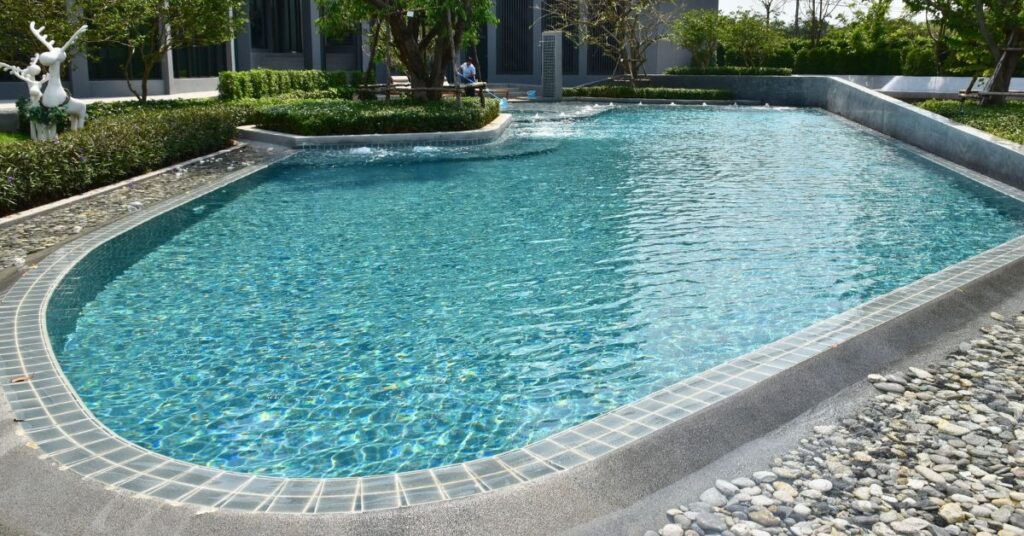
Routine Cleaning Approach for Pool Tiles
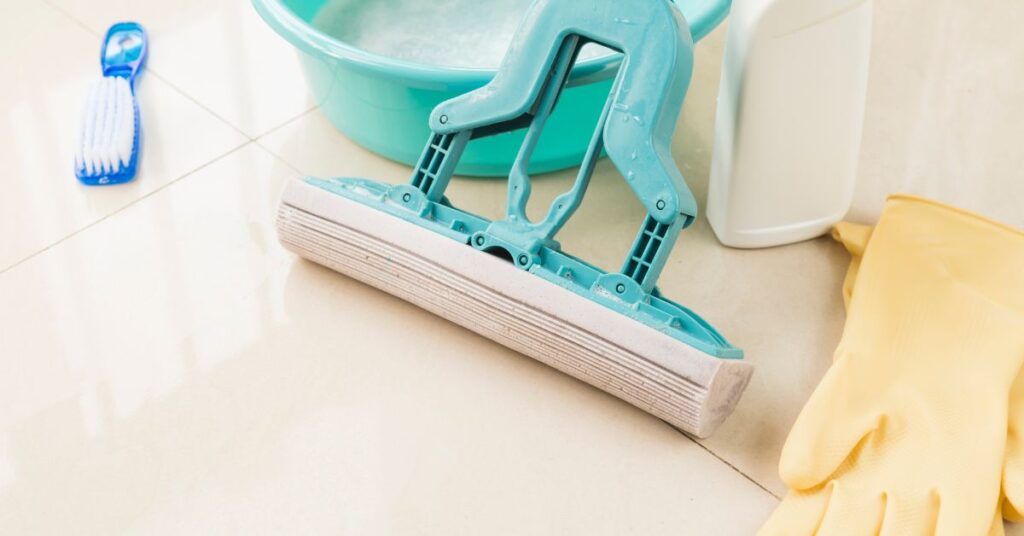
Different tile materials require specific care. Using the right products and tools is crucial to avoid inadvertently scratching or dulling your tiles.
1. Weekly Brushing
Establish a weekly routine of gently scrubbing your tiles with a soft-bristle nylon brush. This prevents dirt, body oils, and algae from gaining a foothold. Follow up by using an automatic pool cleaner or manual vacuum to remove the debris that settles to the pool floor.
2. Cleaning Different Tile Types
- Ceramic Tiles: Standard ceramic tiles are versatile and beautiful, but their glazes require proper care to prevent dulling over time. To keep them looking vibrant, use mild, non-abrasive cleaners and ensure your water chemistry is balanced to prevent minerals from settling onto the surface.
- Porcelain Tiles: Known for its extreme durability and low water absorption, porcelain tile is highly resistant to chemical damage. For stubborn calcium lines, a wet pumice stone can be used safely to gently rub away the scale without scratching the dense glaze.
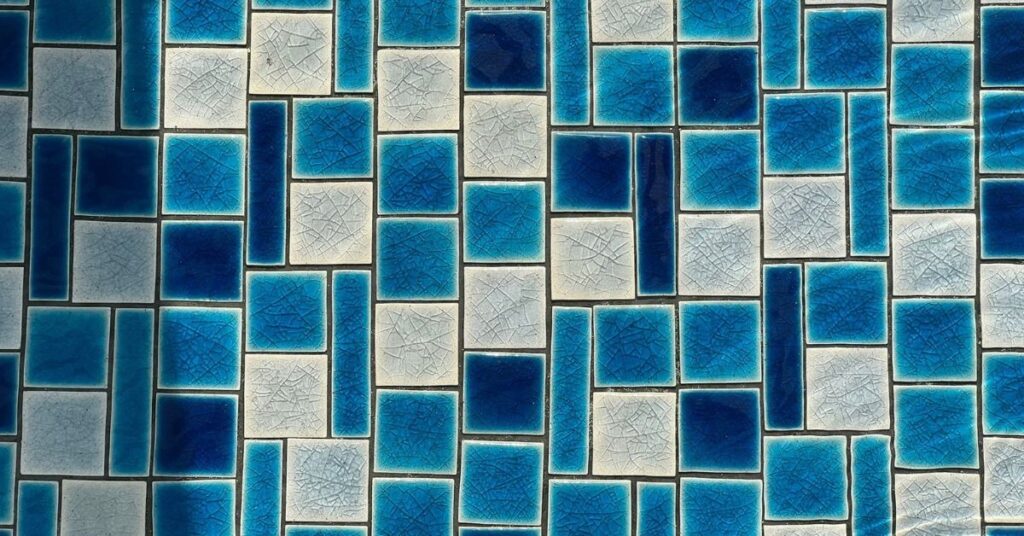
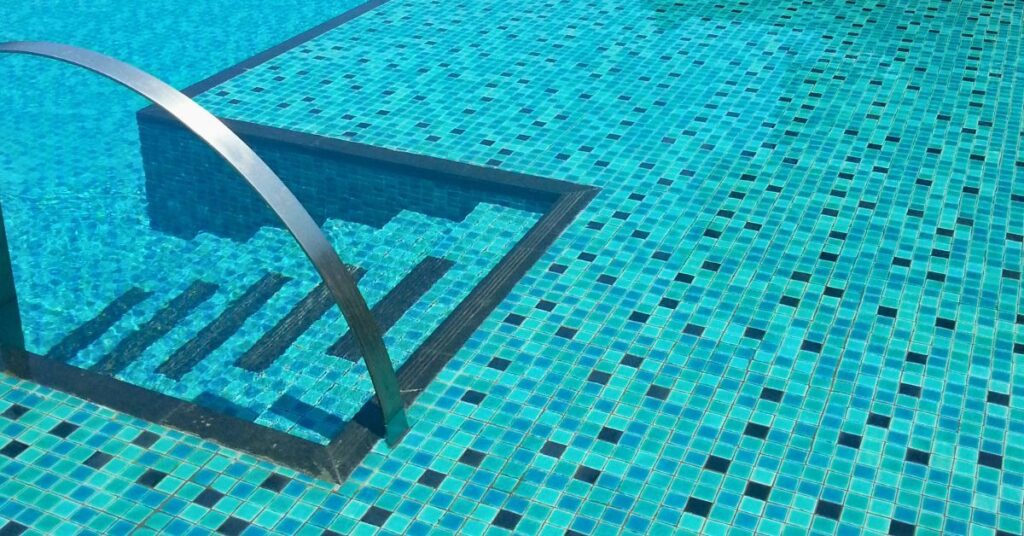
- Mosaic Tiles: Because mosaic tiles feature a high ratio of grout lines due to their small size, they require careful brushing to prevent algae from settling in the crevices. Avoid using abrasive tools like pumice stones on glass mosaics, as they will cause permanent scratches.
3. Tackling the Waterline “Bathtub Ring”
The waterline is where sunscreen, oils, lotions, cosmetics, and other contaminants float and stick to the tiles. There are different approaches to handling these scumlines; however, the most common method is to add pool enzyme treatments to your water, which helps naturally break down the organic oils and lotions before they can stick to your tiles.
For DIY-ers, a 50/50 mix of white vinegar and water applied with a sponge is an excellent, eco-friendly way to break down light grime and scale, although tougher, older grime may be more difficult to scrub off.
Dealing with Wear, Tear, and Repairs
Even with meticulous care, swimming pool tiles can suffer from wear over the years. This is why routine inspections are vital for catching early signs of damage.
- Loose or Chipped Tiles: Gently press on your tiles during your cleaning routine to check for stability. If you find a loose tile, reattach it promptly using a waterproof, pool-grade adhesive. Correspondingly, small chips can often be filled with waterproof epoxy.
- Grout Inspection: Grout prevents water from seeping behind the tile and damaging the concrete shell. If you notice cracks or missing sections of grout, it is time to regrout the affected area using a specialized underwater or epoxy pool grout.
When to Call a Professional? If you are dealing with widespread delamination (large sections of tiles falling off) or severe calcium silicate scale that requires professional bead blasting, it is best to hire an expert to prevent irreversible damage to your pool tiles.
How Much is Swimming Pool Maintenance?
Swimming pool owners frequently ask, “how much is swimming pool maintenance?” The cost may vary widely depending on whether you take a DIY approach or hire professional services.
Doing the basic weekly brushing, water testing, and chemical balancing yourself will mostly cost you the price of the chemicals and testing kits. Comparatively, hiring a professional weekly service can range from $100 to $200 per month, depending on your pool’s size and location.
However, the real cost-saving comes from preventative maintenance. By keeping your water balanced and brushing your tiles regularly, you avoid the massive expenses associated with acid washing, severe scale removal, or completely replacing damaged tiles and grout.
As we have covered in this guide, maintaining that pristine look goes far beyond simply skimming leaves. By committing to regular brushing routines, strictly managing your water chemistry to prevent calcium scaling, and acting quickly on minor grout or tile repairs, you actively prevent the rapid deterioration of your aquatic investment. While the question of cost often arises, the truth is that routine, proactive care is vastly more economical than the hefty price tag of deep restorative work or full tile replacements. Ultimately, a well-maintained pool provides endless hours of pristine relaxation and significantly boosts your property’s value.
Whether you are renovating an old pool or building a new aquatic oasis, starting with high-quality materials makes all the difference in long-term maintenance. At Keratiles Ceramic, we specialize in manufacturing premium tiling solutions built to withstand harsh pool environments. From ultra-durable porcelain tile to stunning decorative mosaic tiles and our signature celadon tiles with distinctive crackle finish, we provide the perfect foundation for a beautiful, long-lasting pool.
Keratiles Ceramic: Thailand’s Premium Swimming Pool and Decorative Tiles
Keratiles Ceramic Co., Ltd. has been Thailand’s premier ceramic tile manufacturer since 2004, specializing in premium swimming pool and decorative tiles. Our ISO 9001-certified and Thailand Trust Mark-recognized KERADOL brand tiles feature distinctive crackle finishes and over 200 color variations. Trusted by customers across 30+ countries globally, we provide comprehensive export services, technical support, and custom design capabilities.
Contact us:
- Email: info@keratiles.co.th
- Or visit: www.keratiles.com for more information.