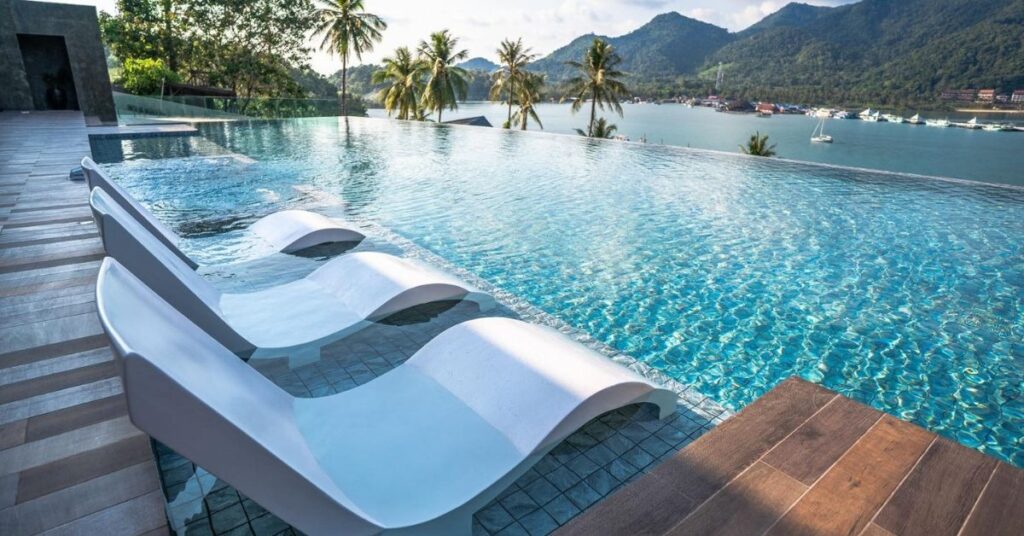
A swimming pool is often the jewel of any residential or commercial property, serving as a space for relaxation and social gatherings. However, the true beauty and longevity of a pool are determined by more than just its shape or filtration system; they are defined by the quality and aesthetic of the swimming pool tiles used for the project. Choosing the right tile is a critical decision that balances visual appeal with durability and technical requirements, ensuring that the pool remains a stunning asset for years to come.
Today, we will delve into the essential aspects of selecting the best tiles for your swimming pool. Whether you are an architect, a developer, or a homeowner, understanding these nuances will help you make an informed investment in your aquatic space.
Why Swimming Pool Tiles? What Sets Them Apart?
Although indoor tiles are applicable for swimming pool projects, one should consider using tiles with features appropriate for the usage. Standard decoration tiles are designed for environments with minimal moisture and no chemical exposure. In contrast, swimming pool tiles are specifically made to withstand constant submersion in water treated with chlorine or salt and exposure to other chemicals.
Also, another critical factor is the water absorption rate, the percentage of water a tile can absorb into its body. For a pool, a tile must have a very low absorption rate to prevent the material from cracking or debonding due to water pressure or temperature fluctuations.
Key Characteristics of Swimming Pool Tiles:
- Low Water Absorption: Modern swimming pool tiles must have a relatively lower rate of water absorption to prevent internal moisture expansion and cracking.
- Chemical Resistance: Pool tiles are specifically manufactured to withstand constant exposure to chlorine and salt without fading or eroding.
Exploring the Best Types of Swimming Pool Tiles
When it comes to materials, the market offers several options, each providing a unique look and feel. Settling on the right one depends on your budget, desired color, and the architectural style of the pool itself. Here are some of the most common types of pool tiles:
1. Ceramic Tiles
Ceramic tiles are a staple choice in the swimming pool industry. Made from natural clay and minerals, they offer a wide range of colors, glossy and matte textures at an accessible price point. While slightly less dense compared to porcelain, they are highly versatile for residential pools and decorative accents.
- Cost-Effective Solution: Provides a high-quality finish for projects with specific budgetary considerations.
- Vast Aesthetic Choice: Available in an almost endless variety of glazes, shapes, and vibrant color palettes.
- Easier Installation: Slightly softer than porcelain, making them easier to cut and shape for more complex pool designs.
2. Porcelain Tiles
A porcelain tile is among the most popular choices due to its extreme density and strength. Because it is fired at much higher temperatures than standard ceramic, a porcelain tile is nearly impervious to water with a very low absorption rate of less than 0.5%. These tiles are available in a vast array of finishes, including those that mimic natural stone or concrete, as well as an assortment of colors, making them ideal for modern swimming pool tile designs. They are easy to clean and highly resistant to algae growth.
- Exceptional Durability: Resistant to scratching and wear, even in high-traffic commercial pools.
- Minimal Maintenance: Non-porous surfaces prevent bacteria and algae from taking hold in the tile body.
- Design Versatility: Available in diverse textures and colors that can replicate natural stones.
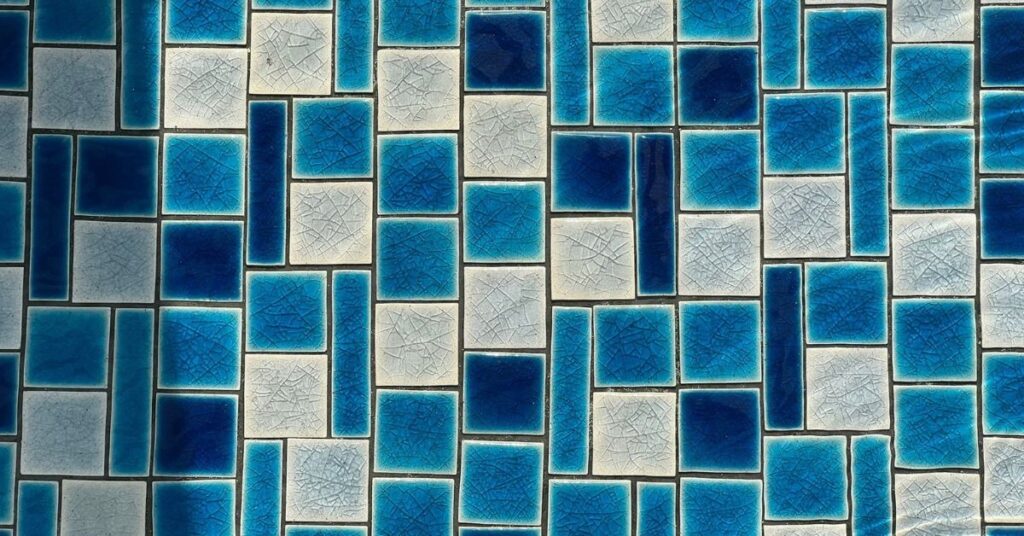
3. Mosaic Tiles
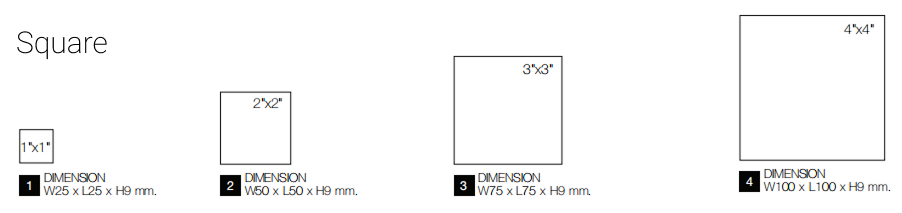
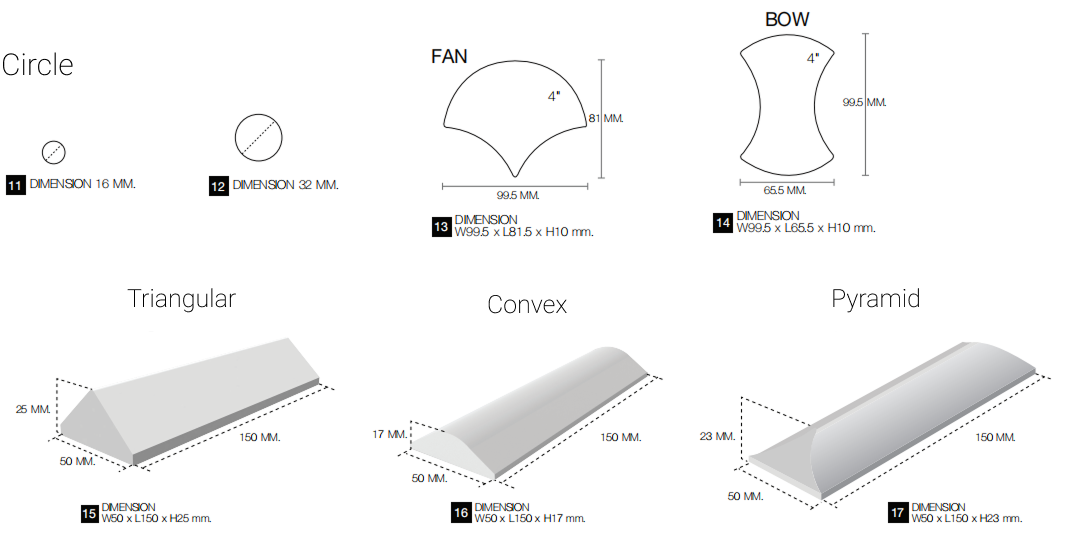
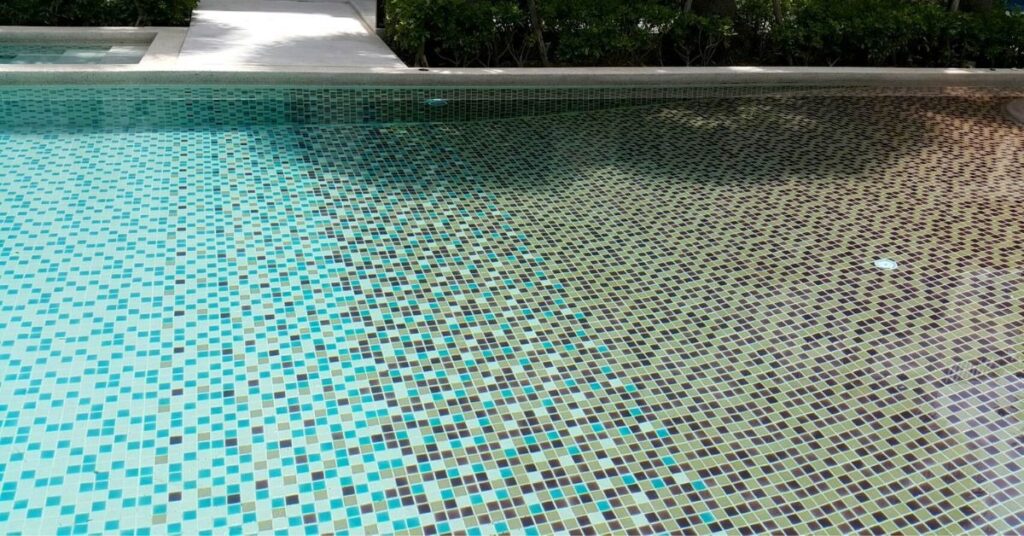
Mosaic tiles are small-format tiles, typically measuring approximately 1×1 inch or 2×2 inches in size. While often sought after for their shimmering effect when made of glass, these tiles can be made from a variety of materials, including ceramic, porcelain, and natural stone. Their compact size and mesh-backed configuration provide flexibility, allowing them to be installed on curved surfaces and used create intricate artistic designs.
- Design Versatility: Their small size allows for the creation of gradients, complex imagery, and custom pool murals.
- Better Grip: The high frequency of grout lines between small tiles provides natural slip resistance for steps and sloped floors surrounding a swimming pool.
- Material Diversity: Available in glass for visual brilliance, porcelain for extreme durability, or natural stone for an organic feel.
- Disadvantage: Mosaic tiles are more prone to peeling off due to poor installation quality. This often occurs when installers do not properly press the mosaic tiles into contact with the adhesive. In the case of glass mosaics, they may peel off because their zero water absorption prevents effective adhesion to the glue. To address this issue, it is recommended to use paper-faced mosaic tiles during installation.
4. Natural Stone Tiles
For a more organic or “resort-style” feel, some may opt for natural stone. They are made by cutting various natural stones such as marble and granite. This results in tiles with unique natural patterns, making them ideal for those seeking distinctive and one-of-a-kind swimming pool tiles. However, these tiles may require extra care because certain natural stones are porous, resulting in a higher water absorption rate.
- Unique Aesthetic: The crackle finish provides a “living” texture that changes appearance under moving water. Their rough surface provides natural slip resistance.
- Premium Color Depth: Offers rich, saturated tones ranging from emerald greens to deep cobalt blues, along with an unglazed texture.
- Handcrafted Quality: Each tile possesses slight variations, contributing to a bespoke, high-end atmosphere.
Factors to Consider When Choosing Swimming Pool Tiles
Selecting the perfect swimming pool tile requires a balance of several technical and aesthetic variables to ensure a successful installation:
- Water Absorption Properties
This is perhaps the most vital technical specification. For any material to be considered a viable swimming pool tile, it should have a low water absorption rate. High-absorption tiles will soak up water, causing the body of the tile to expand and contract, which eventually leads to cracking and the growth of mold or algae within the tile itself. Always verify that your chosen outdoor swimming pool tiles are rated specifically for submerged use.
- Color Impact
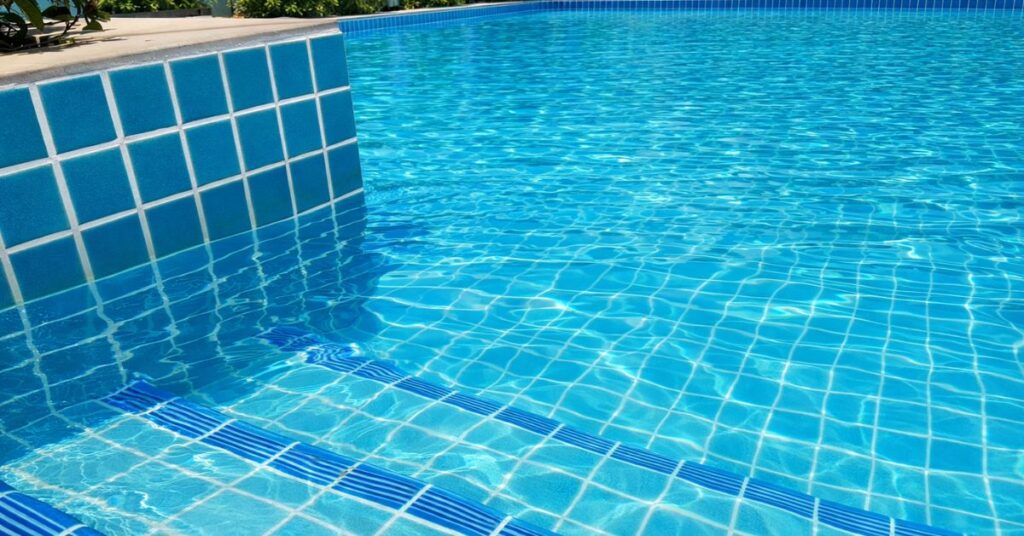
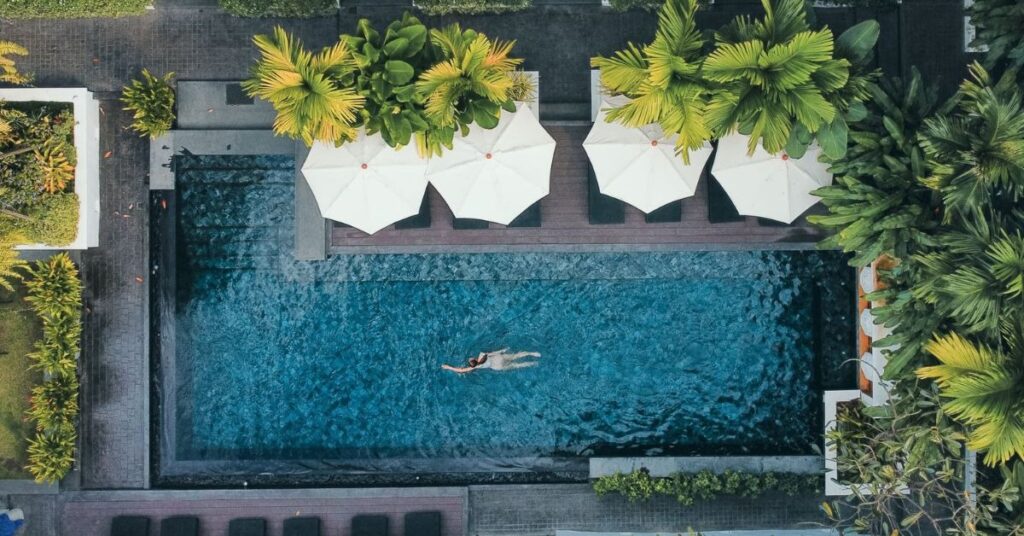
The color of your tile will decide the color of the water. White or light blue tiles result in a clear, bright turquoise water color, whereas dark blue or green tiles create a deep, moody, and reflective “lake-like” appearance.
- Tile Size
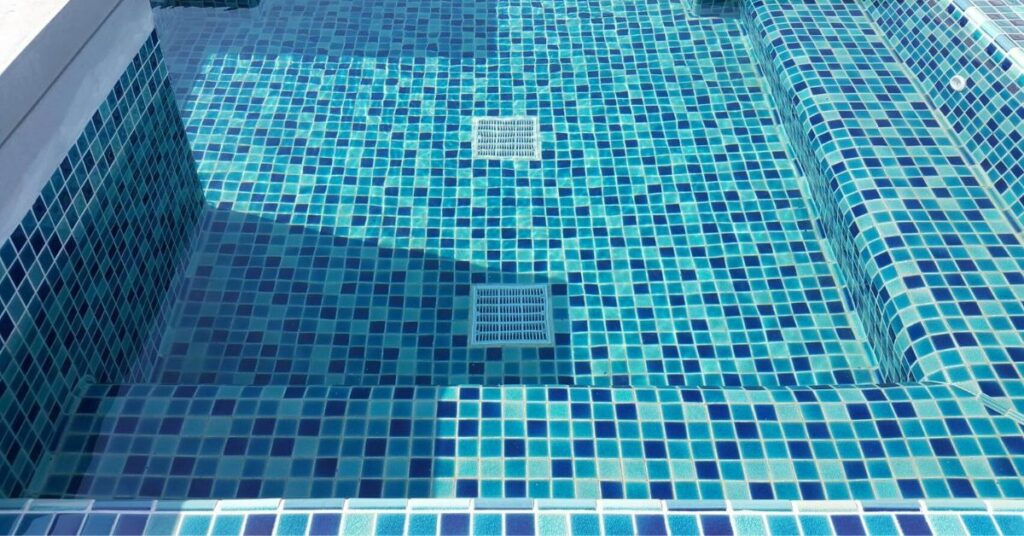
Small mosaics (1×1 or 2×2 inches) are highly flexible, making them ideal for curved surfaces or tanning ledges. In contrast, larger format tiles (4×4 or 6×6 inches) offer a cleaner, more contemporary look with fewer grout lines.
- Grout Choice
For swimming pools, epoxy grout is often recommended over cement-based grout. Epoxy grout is completely waterproof and non-porous, meaning it won’t allow chemicals like chlorine or salt to penetrate behind the tile, ensuring the joints remain intact and hygienic.
Pool Tile Tips: Waterline Cleanliness and Deck Area Safety
As an extra precaution when designing your swimming pool, keep in mind the following challenges:
The “Scum Lines”
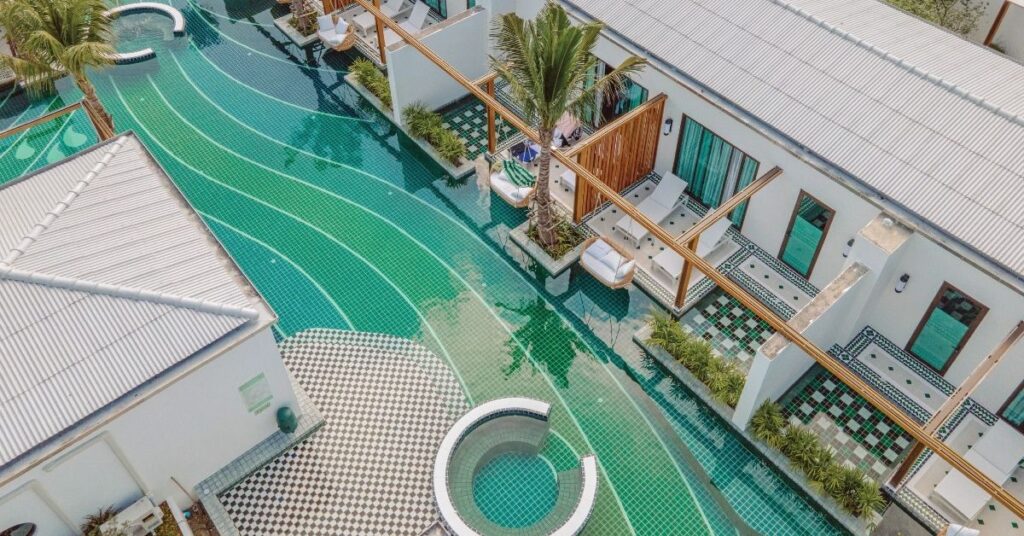
The six-inch area at the top of the pool is where the water meets the air, which is prone to “scum lines” caused by body oils, sunscreen, and calcium deposits. Therefore, your waterline pool tile options should prioritize ease of cleaning as much as style. Smooth, glazed tiles are the best choice here because they allow for easy scrubbing.
Pool Deck Areas Safety
Safety is the paramount concern when discussing outdoor swimming pool tiles used on the surrounding deck. This area is constantly wet, so a slip-resistant tile surface is non-negotiable. Consider matte, unglazed finishes, or opt for pool deck tiles with a higher R-rating.
Selecting the right swimming pool tiles is a vital step in enhancing both the aesthetic appeal and functionality of your aquatic space. With various options such as ceramic, porcelain, mosaic, and natural stone tiles available, homeowners and designers can find the perfect match for their vision and budget.
By considering factors like water absorption, chemical resistance, and slip resistance, you can ensure that your chosen pool tiles not only complement the overall design but also withstand the test of time. For those considering a renovation or a new pool project, Keratiles Ceramic offers a range of premium tiling solutions, including porcelain tiles for swimming pools, celadon tiles, as well as KERACOTTA & KRANITO floor tiles, and more. We provide products that combine beauty with the highest standards of quality, ready to transform your pool into a lasting work of art.
Keratiles Ceramic: Thailand’s Premium Swimming Pool and Decorative Tiles
Keratiles Ceramic Co., Ltd. has been Thailand’s premier ceramic tile manufacturer since 2004, specializing in premium swimming pool and decorative tiles. Our ISO 9001-certified and Thailand Trust Mark-recognized KERADOL brand tiles feature distinctive crackle finishes and over 200 color variations. Trusted by customers across 30+ countries globally, we provide comprehensive export services, technical support, and custom design capabilities.
Contact us:
- Email: info@keratiles.co.th
- Or visit: www.keratiles.com for more information.