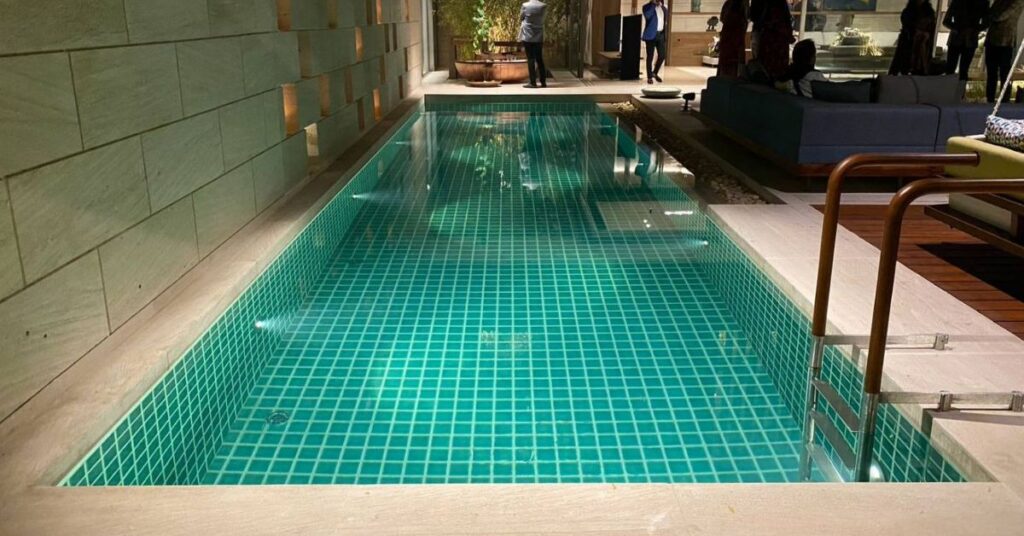
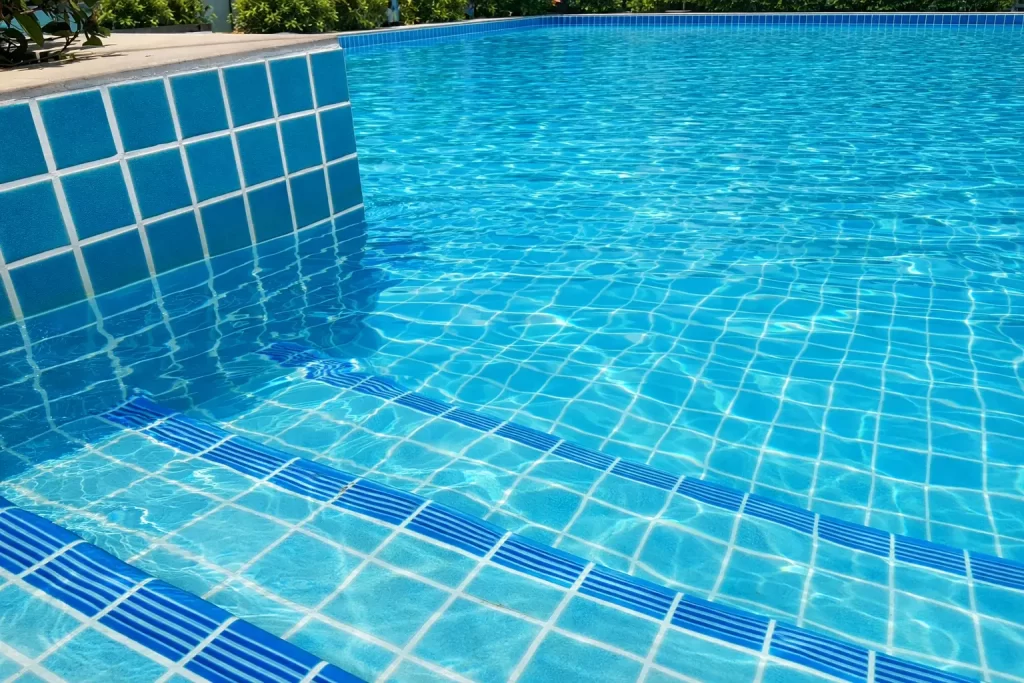
Owning a swimming pool brings a sense of luxury and relaxation to any property. However, the true beauty and longevity of a pool depend heavily on one critical choice: the “pool tiles”. These tiles are more than just a decorative finish; they are the protective layer of your pool, enduring constant submersion, chemical exposure, and changing weather conditions.
Choosing the wrong material can lead to frequent repairs and lackluster aesthetics. In this guide, we will explore different types of swimming pool tiles, help you understand which one fits your needs, and provide expert tips on cleaning and maintenance to keep them sparkling for years to come.
What Are Your Pool Tiles Made From?
Not all tiles are created equal. When selecting tiles for a pool, durability and water absorption are the most critical factors. Additionally, knowing the material of your tiles can significantly help you determine the most suitable cleaning approach. Here are the 4 most common types of pool tiles, along with specific care advice for each:
Porcelain Pool Tiles
Porcelain tile is widely considered the “gold standard” for swimming pools. It is made from dense clay fired at extremely high temperatures (over 1,200°C), making it virtually impervious to water.
- Why Choose Porcelain: It is incredibly durable, frost-proof, and resistant to staining and scratching. It is ideal for both the waterline and the pool floor.
- Maintenance Tip: Porcelain is tough. You can safely use a pumice stone to ‘remove calcium from pool tile’ surfaces made of porcelain without scratching the glaze. It requires minimal effort to keep clean compared to other materials.
Ceramic Pool Tiles
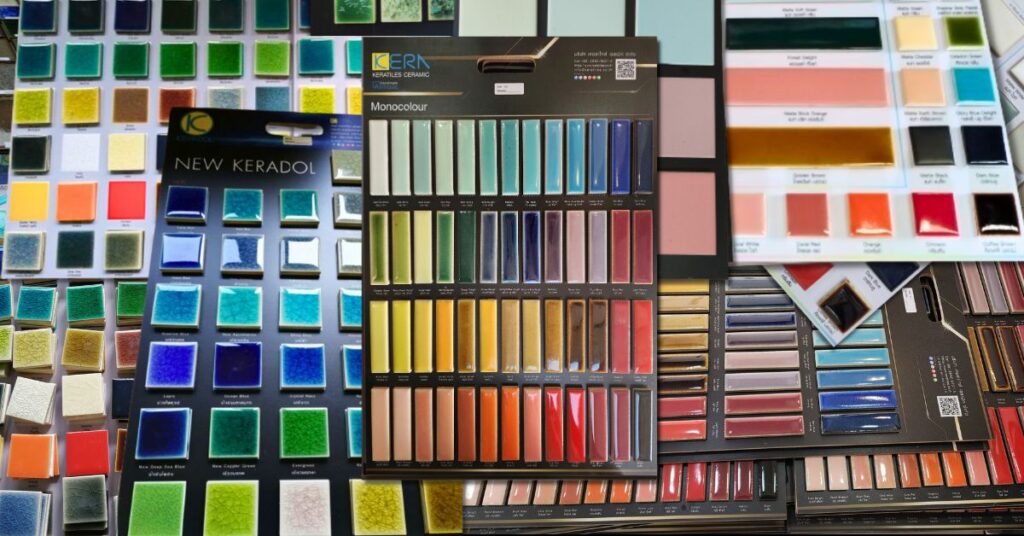
Standard ceramic tiles are a cost-effective choice often used for waterlines. They are also often glazed to provide a protective barrier against water and chemicals. A premium subset of this category is the Celadon Tile, a specialty of Keratile Ceramic, known for its unique, artisanal crackle glaze.
- Why Choose Ceramic: They offer vibrant color options and hand-painted designs. Celadon tiles provide a classic, elegant look that adds depth to the color of the pool.
- Maintenance Tip: While durable, the glaze can be sensitive to harsh abrasives over time. For crackle-glaze tiles (Celadon), maintaining balanced water chemistry is crucial to prevent calcium from settling into the fine textures.
Mosaic Pool Tiles
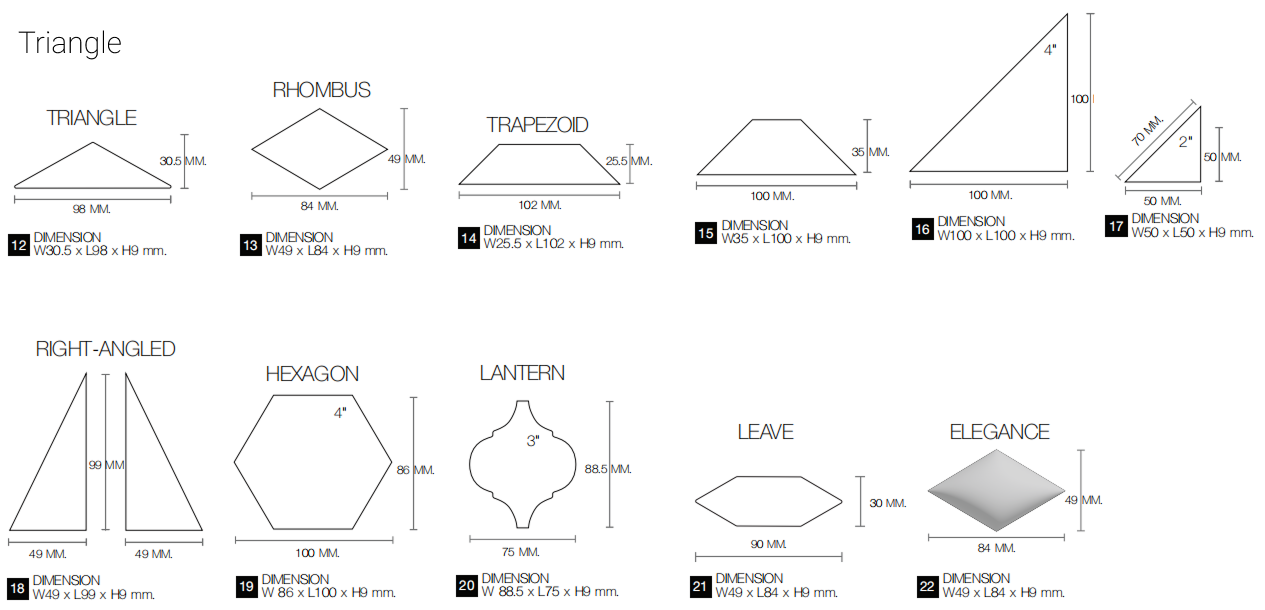
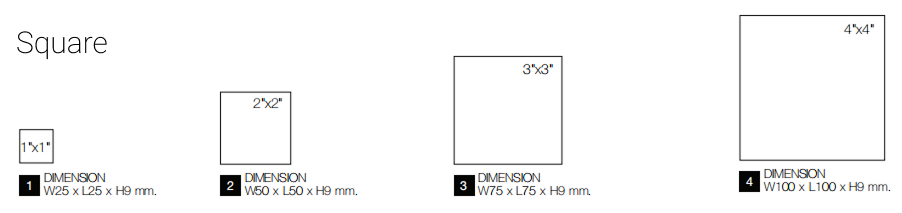
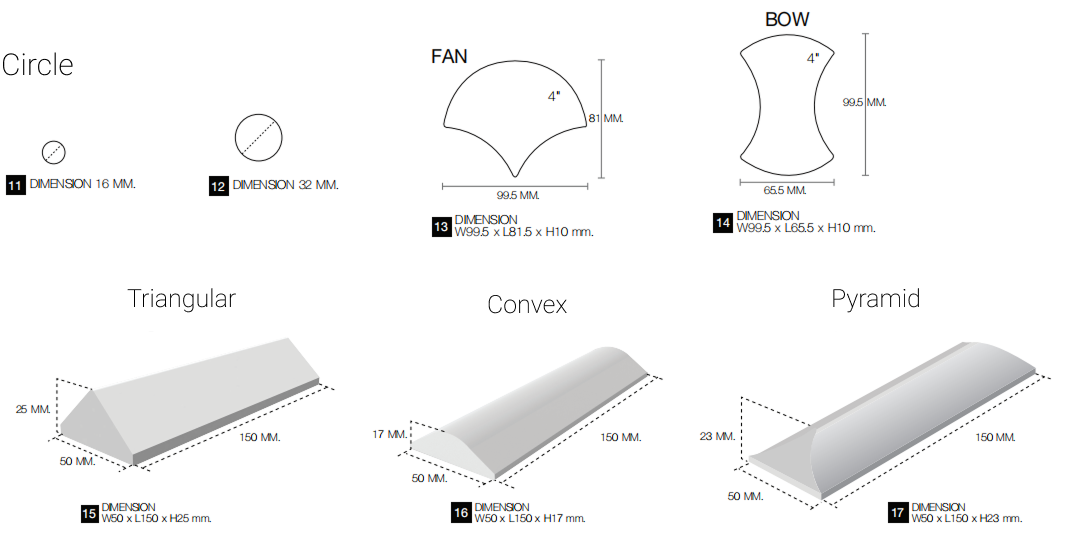
Mosaic tiles are small tiles, usually 1×1 or 2×2 inches, mounted on mesh sheets. They are the jewelry of the pool world, offering stunning light reflection and design flexibility.
- Why Choose Mosaic: Their small size allows them to wrap seamlessly around curved steps, spas, and corners. Glass mosaics are non-porous and chemically resistant, creating a shimmering effect underwater.
- Maintenance Tip: Never use a pumice stone to clean glass tiles, as it will permanently scratch the surface. Use a soft sponge and mild vinegar solution instead. Also, keep the grout lines clean, as mosaics have more grout surface area than larger tiles.
Natural Stone Pool Tiles
For those who prefer a rustic, organic look, or lagoon-style aesthetic, natural stones like slate, granite, or limestone are a popular choice.
- Why Choose Natural Stone: It provides a textured, slip-resistant surface and a natural earth-tone palette that blends with outdoor landscaping.
- Maintenance Tip: Stone is high-maintenance. It is porous and must be sealed every 1-2 years to prevent water absorption and algae growth. Avoid using acidic cleaners, which can eat away at the stone’s surface.
Restoring the Sparkle: How to Clean Pool Tiles Above Waterline
The waterline is the most prone area to dirt and grime accumulation. Floating debris, body oils, and sunscreen residue often collect here, forming a dark, greasy ring known as a “bathtub ring.” Regardless of the type of pool tile you choose, you will eventually face common maintenance issues like grime and scaling. Here is how to handle them effectively.
1. Routine Scrubbing
Regular maintenance is the best defense. Use a soft-bristle brush or a non-abrasive scrubbing pad to gently clean the waterline weekly. This can effectively prevent soft grime from hardening into stubborn deposits.
2. Natural Cleaning Solution
For mild buildup, a mixture of baking soda and water forms an effective paste. Apply it to the tile and scrub gently with a soft brush. The mild abrasiveness of baking soda cuts through grease without scratching the pool tile surface. Alternatively, a solution of water and white vinegar can also help dissolve minor mineral deposits.
3. Commercial Tile Cleaners
For tougher grime, there are specialized tile cleaners available. Ensure the product is safe for your specific pool tile and compatible with your pool’s water chemistry. Always test in a small, inconspicuous area first.
How to Clean Calcium Off Pool Tiles
Apart from the usual debris and greasy residue around the bathtub ring, one of the most common and persistent issues pool owners face is “calcium scaling.” This appears as a white or greyish crust along the waterline and is typically caused by high pH, high alkalinity, or high calcium hardness in the pool water.
There are typically two common types of calcium scaling that can happen to your swimming pool:
1. Calcium Carbonate: This is white, flaky, and relatively soft. It bubbles and dissolves when a weak acid is applied, making it easier to remove with simple scraping or mild acidic cleaners.
2. Calcium Silicate: This is grey-white and extremely hard—often harder than the tile itself. Calcium silicate does not react vigorously to acid and typically requires heavy-duty mechanical removal, such as professional blasting.
Methods to Remove Calcium From Pool Tiles
There are different approaches to removing the calcium deposits, depending on the severity and the buildup level. Here are some of the common methods you can apply:
- Pumice Stone: For ceramic or porcelain tile, a natural pumice stone can be very effective. Keep the stone and the tile wet to prevent scratching, and rub gently over the deposits. Note: Do not use pumice stones on glass tiles or vinyl liners, as they will permanently scratch the surface.
- Vinegar Soak: For minor carbonate buildup, soaking a rag in vinegar and laying it over the deposits for a few minutes can soften them, making them easier to scrub away with a brush.
- Acid Washing: For severe buildup, a diluted muriatic acid solution may be necessary. However, this is a hazardous process requiring protective gear (gloves, goggles, respirator). It is often best left to professionals to avoid damaging the tile grout or upsetting the pool’s chemical balance.
- Soda Blasting: This is a professional method that uses compressed air to blast baking soda or kieserite (magnesium sulfate) at the tile. It effectively removes calcium without damaging the underlying glaze or grout.
Maintenance Tips for Pool Tile Longevity
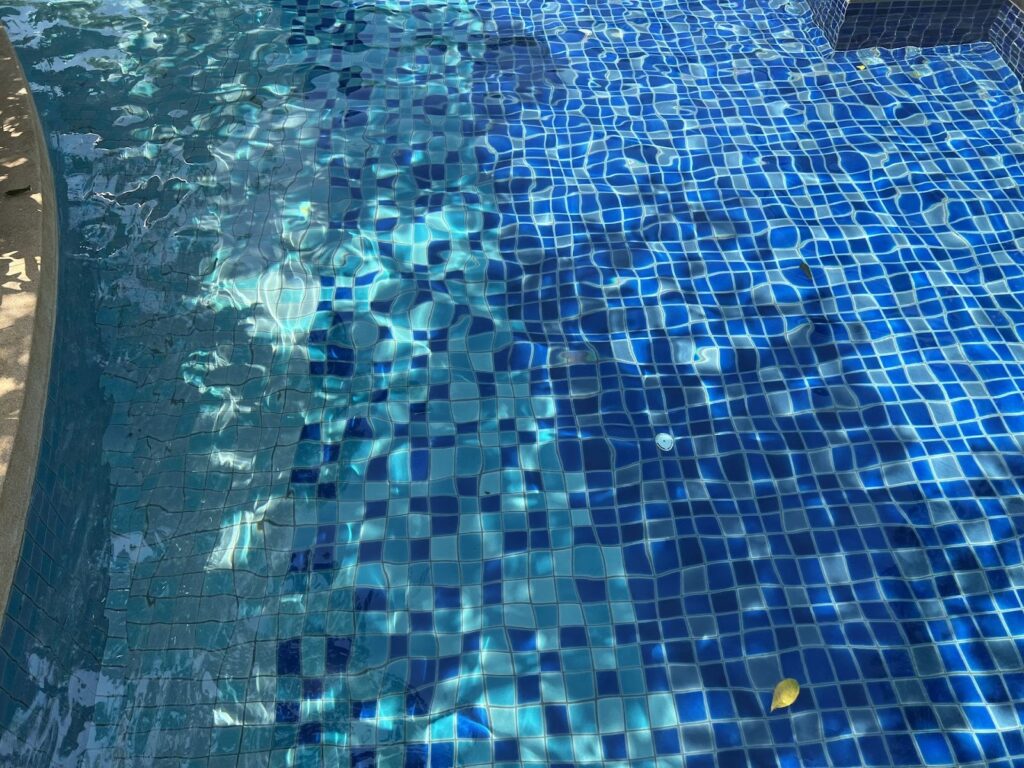
Prevention is always better than a cure. Maintaining the chemical balance of your pool water is the single most effective way to prevent calcium scaling and tile damage.
It is recommended to keep your pool’s pH between 7.4 and 7.6, as a higher pH is the primary driver of calcium scale formation, as it reduces the solubility of calcium in water. As for the calcium hardness, aim for a calcium hardness level between 200 and 400 ppm. Levels that are too high would promote scaling, while levels that are too low can cause the water to leach calcium from the grout, weakening it.
Lastly, be sure to schedule a regular cleaning interval. Brush and scrub your swimming pool tiles as part of your weekly routine to prevent dirt and algae from gaining a foothold. Even if the tiles look clean, a quick brush can help disrupt the formation of invisible biofilms.
How to Repair Pool Tiles
Despite your best efforts, tiles can sometimes crack or come loose due to ground movement, freezing temperatures, or aging adhesive. Knowing how to repair pool tiles promptly can save you from an expensive renovation, as missing tiles allow water to seep behind the remaining structure, causing widespread damage.
1. Remove the Damaged Tile: Carefully chip out the old grout around the damaged tile using a grout saw or a small chisel. Gently pry the tile loose. If the tile is merely loose but intact, clean the back of it thoroughly to reuse it.
2. Prepare the Surface: Remove any old thin-set or adhesive from the pool wall to create a flat, clean surface for the new application. A smooth substrate is essential for a strong bond.
3. Re-adhere the Tile: Use a high-quality, waterproof thin-set mortar or a specialized underwater pool tile adhesive. Apply the adhesive to the back of the tile and press it firmly into place, ensuring it is level with the surrounding tiles.
4. Grout and Seal: Once the adhesive has cured, apply a new waterproof grout. After the grout dries, seal it to prevent water penetration and staining.
Your choice of pool tiles defines the personality of your swimming pool. Whether you opt for the durability of porcelain tile, or the shimmering allure of mosaic tiles, investing in quality materials is the first step toward a stunning aquatic environment. By combining the right material selection with routine maintenance, you ensure your pool remains a sparkling, inviting oasis.
For those considering a renovation or a new pool project, Keratile Ceramic offers a range of premium tiling solutions, including porcelain tiles for swimming pools, celadon tiles, as well as KERACOTTA & KRANITO floor tiles, and more. We provide products that combine beauty with the highest standards of quality, ready to transform your pool into a lasting work of art.
Keratile Ceramic: Thailand’s Premium Swimming Pool and Decorative Tiles
Keratile Ceramic Co., Ltd. has been Thailand’s premier ceramic tile manufacturer since 2004, specializing in premium swimming pool and decorative tiles. Our ISO 9001-certified and Thailand Trust Mark-recognized KERADOL brand tiles feature distinctive crackle finishes and over 200 color variations. Trusted by customers across 30+ countries globally, we provide comprehensive export services, technical support, and custom design capabilities.
Contact us:
- Email: info@keratiles.co.th
- Or visit: www.keratiles.com for more information.